
Real benefits of apostille services for Filipinos in UAE
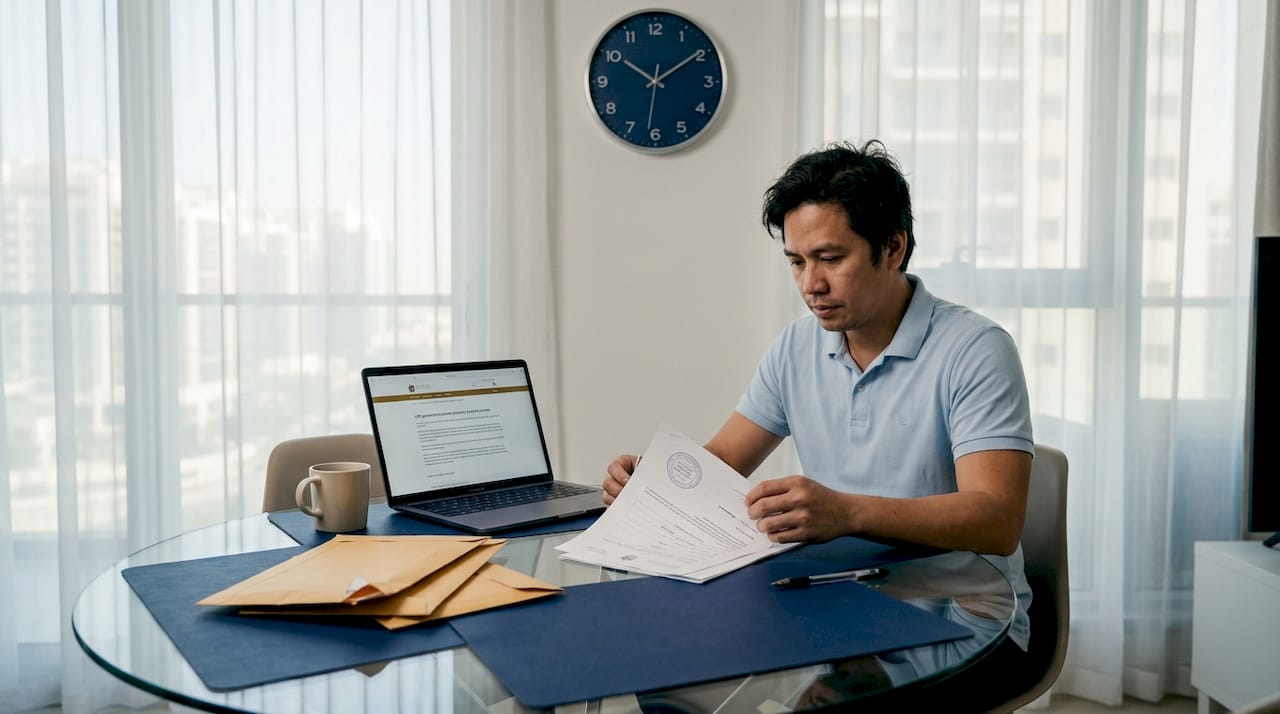
You submit your documents. Weeks pass. Then the rejection notice arrives, citing improper authentication. For Filipino expats in the UAE managing family paperwork, employment contracts, or school enrollment, this scenario is more common than it should be. Getting your Philippine-issued documents legally recognized abroad requires more than a notary stamp. It requires knowing exactly which authentication pathway applies to your situation, and then executing it correctly the first time. Apostille services exist precisely to take that burden off your shoulders.
Table of Contents
Key Takeaways
Point | Details |
Correct pathway is crucial | Choosing the correct authentication route prevents delays and costly rejections for your documents. |
Apostille services save time | Expert providers streamline the process, reducing waiting time and administrative errors. |
Digital apostille is a game-changer | Eligible documents can now be apostilled online, making it easier than ever for expats. |
Expert guidance avoids setbacks | Specialist help ensures your papers are always submitted to the right authority the first time. |
Why choosing the right authentication pathway matters
Not all document authentication is the same, and the differences are not minor technicalities. They are the difference between a document being accepted and one being sent back. Three main pathways exist: apostille, authentication, and consular legalization. Each serves a different purpose and applies to different destination countries.
An apostille is a standardized certificate issued under the Hague Convention of 1961. It verifies the authenticity of a public document so it is accepted in any of the 180+ member countries of the Hague Convention, including the UAE. Authentication, on the other hand, is a multi-step process used when the destination country is not a Hague member. Consular legalization goes one step further, requiring an additional stamp from the destination country’s embassy or consulate.
Understanding the difference between apostille, authentication, and legalization helps prevent delays or rejection when the receiving country does not accept apostilles. This is not a small risk. Choosing the wrong method means your documents go through an entirely different chain of authorities, and by the time you realize the error, you may have already missed a visa deadline or a school enrollment window.
Here are real consequences Filipino expats have faced from choosing the wrong pathway:
Resubmitting documents from scratch after consular rejection, adding 4 to 8 weeks of delay
Paying double fees because the first submission used authentication instead of apostille
Missing employment start dates because the wrong authority processed the documents
Having bank account applications or property transactions stalled due to unrecognized documents
Losing non-refundable application fees tied to time-sensitive submissions
“The correct credentialing pathway depends on what kind of document you have and whether the destination country accepts apostilles. Using the wrong pathway is explicitly flagged as a cause of delays or outright rejection.” This is not just a procedural note. For expats with tight timelines, it is a costly lesson.
The good news is that with the right apostille service expertise, you can avoid these pitfalls entirely. Knowing upfront which pathway applies to your document and your destination country is the single most important step in the entire process.
Key benefits of using apostille services
Once you understand why the correct pathway matters, the value of professional apostille services becomes very clear. These services are not just about convenience. They are about accuracy, compliance, and protecting you from costly errors that compound over time.
Here are the main benefits that Filipino expats in the UAE consistently report:
Reduced administrative errors. Apostille service providers know exactly which documents require which authorities. They match your document type to the correct issuing body, whether that is the Department of Foreign Affairs (DFA), the National Statistics Office, or another agency.
Faster legal recognition. A properly submitted apostille request moves through the system without unnecessary back-and-forth. Errors are the primary cause of delays, and expert handling eliminates most of them before submission.
Full compliance with UAE and Philippine requirements. The UAE has specific requirements for apostilled documents used in employment, residency, and legal proceedings. Professional services stay current with those requirements so you do not have to.
Shorter wait times. When every document is correct and complete on the first submission, processing times drop significantly. Some services can complete requests within 3 to 5 business days for standard documents.
Less stress for working expats. Managing paperwork across time zones, while holding down a full-time job in the UAE, is genuinely difficult. Apostille services handle the coordination so you can focus on your work and family.
Using an expert document-processing provider can reduce mistakes such as submitting documents to the wrong authority and can coordinate multi-step chains across jurisdictions. For Filipino expats who are often managing requests remotely, this coordination is invaluable.
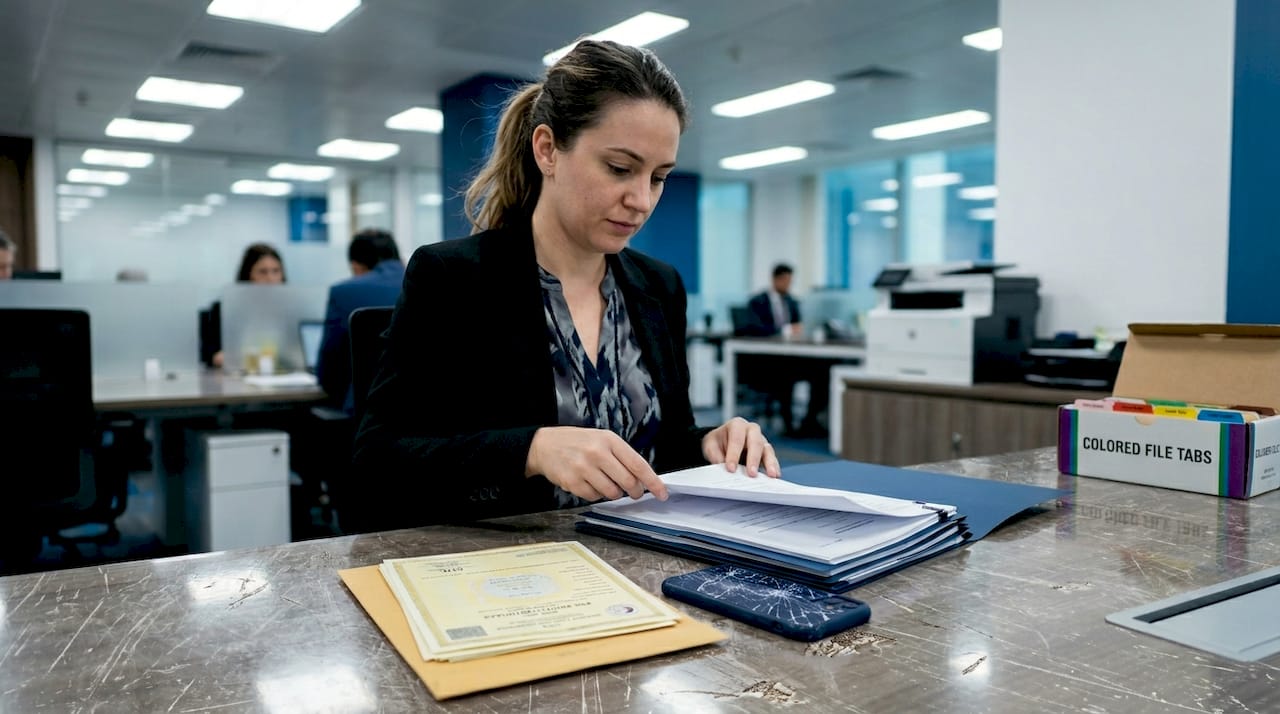
Pro Tip: Always verify whether your specific document qualifies for apostille before starting the process. For UAE submissions, expert tips for apostille process can help you confirm eligibility and avoid wasting time on the wrong route.
The time savings alone justify using a professional service. But the real value is in avoiding the compounded costs of errors, including re-filing fees, missed deadlines, and the emotional toll of watching an important life event get delayed over paperwork.
Apostille, authentication, or consular legalization: Head-to-head comparison
Choosing the right pathway is easier when you can see the differences side by side. The table below breaks down the three main options across the criteria that matter most to Filipino expats.
Feature | Apostille | Authentication | Consular legalization |
Purpose | Certifies document for Hague Convention countries | Verifies document for non-Hague countries | Adds embassy stamp for final acceptance |
Where accepted | 180+ Hague member countries including UAE | Non-Hague countries | Specific non-Hague destination countries |
Processing time | 3 to 10 business days | 1 to 3 weeks | 2 to 5 weeks |
Typical fees | Moderate | Moderate to high | High |
Common use cases | Employment, marriage, school records, NBI clearance | Documents for countries outside Hague | Documents for specific embassy requirements |
The correct credentialing pathway depends on both the document type and whether the destination country accepts apostilles. The UAE is a Hague Convention member, which means apostille is the correct route for most documents Filipino expats need to submit there.
Common scenarios where Filipino expats need apostille for the UAE include:
Marriage certificates for spousal visa applications
Birth certificates for dependent visa processing
Diplomas and transcripts for professional license recognition
NBI clearances for employment background checks
Business registration documents for company setup
The risk of choosing the wrong option is not just inconvenience. It means starting over. If you submit an authentication when an apostille is required, the receiving authority will reject the document entirely. You then need to reprocess from scratch, which can add weeks and additional costs to an already stressful situation.
For choosing the correct legalization path, the key question to ask is always: “Is the destination country a Hague Convention member?” If yes, apostille is your route. If no, you need to look at authentication or consular legalization based on the specific country’s requirements.
Digital apostille processing: Next-generation convenience
One of the most significant recent developments for Filipino expats is the availability of digital apostille processing for eligible documents. This option removes the need for physical document delivery to DFA offices, which is a major advantage for Filipinos living thousands of kilometers away from the Philippines.
Here is how digital apostille compares to the traditional process:
Feature | Digital apostille | Traditional apostille |
Processing time | 1 to 3 business days | 3 to 10 business days |
Cost | Generally lower | Standard to higher |
In-person visits required | None | Sometimes required |
Document eligibility | PSA e-certificates and select digital documents | Most original physical documents |
Legal weight | Fully equal | Fully equal |
Best for | Remote expats, busy professionals | Physical documents, original certificates |
Where digital apostille is available for eligible documents, such as PSA civil registry e-certificates, it removes the need for physical delivery to DFA offices for apostille stamping. This is particularly helpful for expats abroad who cannot easily travel back to the Philippines to handle paperwork in person.
Pro Tip: Confirm document eligibility before choosing digital apostille. PSA-issued e-certificates for birth, marriage, and death records are typically eligible. Other documents may still require physical submission. Check digital apostille benefits for updated eligibility guidance.
One concern some expats raise is whether a digital apostille carries the same legal weight as a physical one. The answer is yes. A digitally issued apostille is fully recognized under the Hague Convention, provided it is issued by the correct authority and for an eligible document. The UAE accepts digitally apostilled documents that meet these criteria.
For remote workers, professionals in offshore roles, or anyone based in the UAE who cannot take extended leave to visit Philippine government offices, digital apostille is a genuine game-changer. It collapses what used to be a multi-week, multi-trip process into something you can complete from your apartment in Dubai or Abu Dhabi.
What most expats overlook—and why the method matters more than you think
Here is something we see repeatedly in document processing: Filipino expats who are smart, organized, and thorough still run into problems because they assume that notarization is the final step. It is not. Not even close.
A notary public verifies your identity and witnesses your signature. That is it. Notaries cannot issue apostilles themselves, and apostille requests must be handled by the correct state authority. In the Philippines, that authority is the DFA for most documents. Submitting a notarized document to the UAE without an apostille is like submitting a job application without the required certifications. It looks complete, but it will be rejected.
The deeper issue is timing. Document errors do not always surface immediately. They show up at the worst possible moments: during a visa renewal review, at a bank when you are trying to open a business account, or at a school when you are enrolling your child. By then, the delay is not just an inconvenience. It has real financial and personal consequences.
We have seen expats lose job offers because their employment documents were not properly apostilled before the start date. We have seen families separated for additional months because a dependent visa was held up over a birth certificate that had the wrong authentication. These are not edge cases. They are common outcomes of an uncommon lack of awareness about the process.
Expert guidance through insider apostille tips does more than save time. It prevents the kind of errors that only become visible at high-stakes moments. The method matters more than the speed. Getting it right the first time is always faster than getting it wrong twice.
Streamline your document process with trusted apostille services
Managing apostille requests from the UAE is stressful enough without worrying about whether you have chosen the right process or submitted to the right authority. Professional support changes that entirely.
Harris N Charms Docs offers comprehensive apostille services designed specifically for Filipino expats in the UAE. Whether you need a traditional apostille for physical documents, a digital apostille for PSA e-certificates, or guidance on authentication and consular legalization for non-Hague destinations, the team handles every step with accuracy and speed. No wasted trips. No rejected submissions. No missed deadlines. You can schedule your consultation online today and get a clear picture of exactly what your documents need and how quickly they can be processed.
Frequently asked questions
What documents can be apostilled for use in the UAE?
Birth certificates, marriage contracts, diplomas, and NBI clearances are common Filipino documents eligible for apostille for use in the UAE. PSA civil registry e-certificates can also be apostilled digitally, removing the need for physical delivery to DFA offices.
How long does apostille processing take?
Most apostille requests are processed within 3 to 10 business days when submitted correctly and completely. Expert document providers reduce errors that cause delays, keeping your timeline on track.
Is a scanned e-certificate from PSA enough for digital apostille?
Yes, an official PSA civil registry e-certificate qualifies for digital apostille without requiring physical visits to DFA offices. Confirm eligibility with your service provider, as digital apostille for e-certificates applies to specific document types only.
Can I use just a notarized document without apostille for the UAE?
No, a notarized document alone is not sufficient for UAE use. Notaries cannot issue apostilles, and the correct state authority must issue the apostille certificate for the document to be legally recognized in the UAE.
Recommended
Comments